
Wall Street Journal: Young Men, Beauty Pressure, and the Rise of Peptides
- NuLab Peptides - Research Journal
- 4 days ago
- 2 min read
A recent Wall Street Journal report highlights how peptides are gaining attention among young men — and even teenagers — who are chasing increasingly intense male beauty standards online.
The article focuses on the rise of “looksmaxxing,” an internet subculture where young men obsess over improving their physical appearance through diet, workouts, grooming, jawline exercises, supplements, and in some cases unapproved injectable peptides. These peptides are often promoted online for glowing skin, muscle growth, injury recovery, facial changes, or overall physical enhancement.

One example in the report is Trevor Larcom, a former child actor who appeared on shows including Fresh Off the Boat and Fuller House. After losing a significant amount of weight, Larcom still felt insecure about his appearance and began searching online for ways to change how his face looked. That search eventually led him into looksmaxxing communities, where he encountered peptide “stacks” marketed for physical transformation.
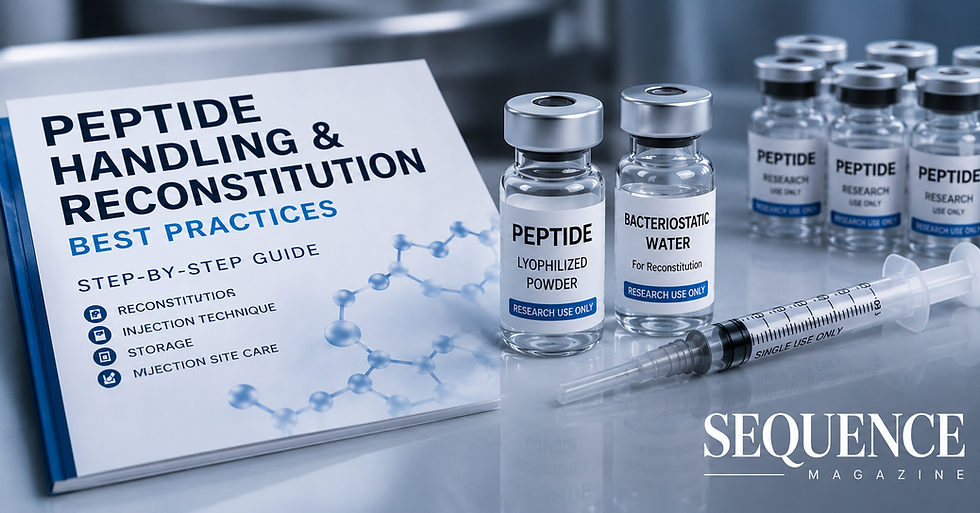
The article explains that many of these injectable peptides have are commonly sold through an online market under “research use only” labels. Despite safety concerns, some users remain willing to experiment with them because they believe the potential appearance-related benefits are worth it.
Medical experts quoted in the report warn that self-medicating with unapproved and unregulated drugs can be dangerous, especially for teenagers. Concerns include disruption of the body’s normal hormone balance, unknown side effects, contamination, inconsistent dosing, and lack of medical oversight.
The larger issue is not just peptides themselves, but the cultural pressure pushing young men toward extreme physical optimization. The Wall Street Journal report shows how online beauty ideals, social media comparison, and male body-image anxiety are helping fuel interest in peptides — even before the science, regulation, and safety standards have fully caught up.
The takeaway is clear: peptides are becoming part of a much bigger conversation about youth culture, male beauty standards, online influence, and the risks people are willing to take to change how they look.
Credit: This brief summary is based on reporting originally published by The Wall Street Journal.
Editor’s Note: This article is intended solely for research, educational, and industry discussion purposes. It does not promote, recommend, or imply any personal use, medical use, health benefit, treatment outcome, or therapeutic application of peptides or related compounds.


Comments